Concrete Delivery Options: Chute, Barrow Or Pump, What's Best For Your Site?
When concrete day arrives, the delivery method can make or break the pour. Good access may mean an easy chute discharge and a clean finish, while tight access or distance can slow everything down, add labour, and risk cold joints or surface defects.
This guide weighs up chute, wheelbarrow, and pump delivery by access, volume, speed, labour, and finish risk, with typical UK pump hire costs and an access checklist that keeps sites tidy.
Heeley Minimix coordinates with trusted pump partners across Barnsley, Sheffield, Wakefield, and wider Yorkshire, so if you need help choosing a method or booking a slot, our team provides clear advice, small-load flexibility, and mixes batched to your spec.
Chute Discharge: Fastest Where The Truck Can Reach
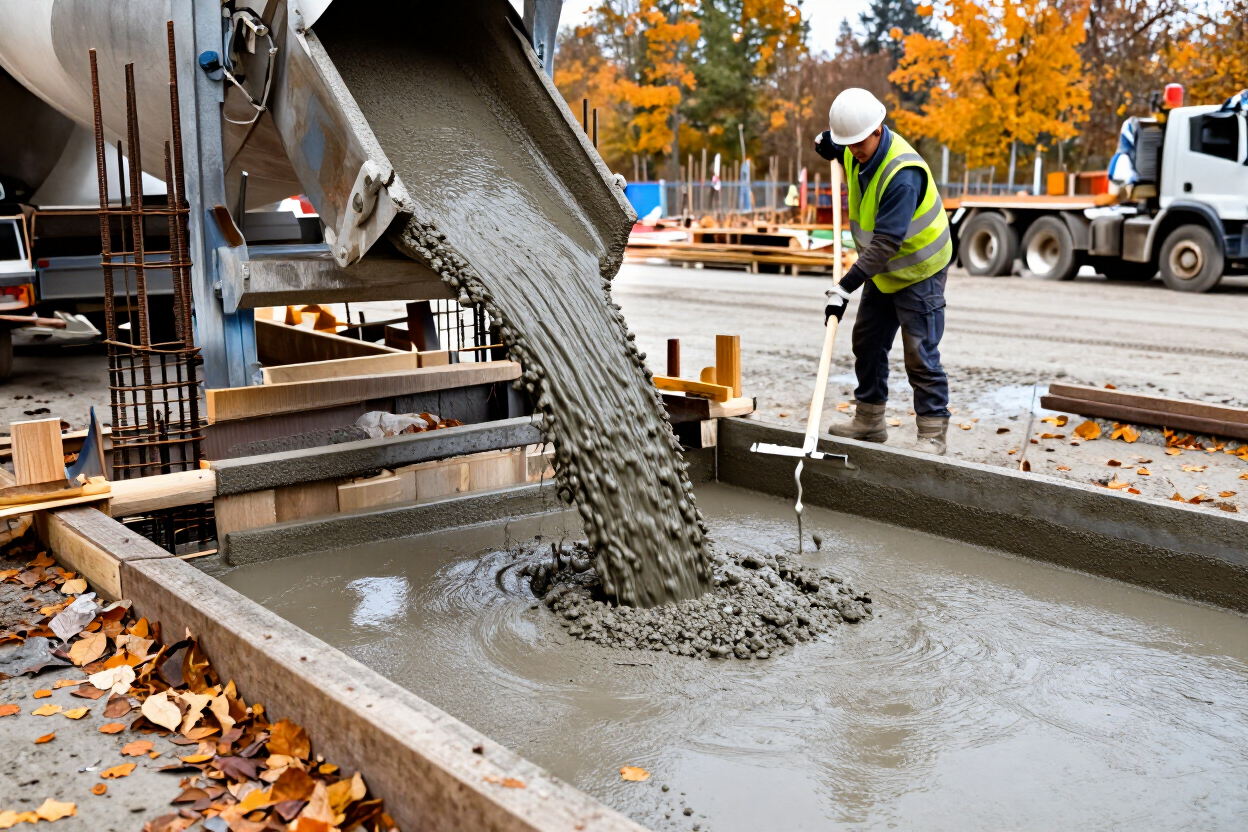
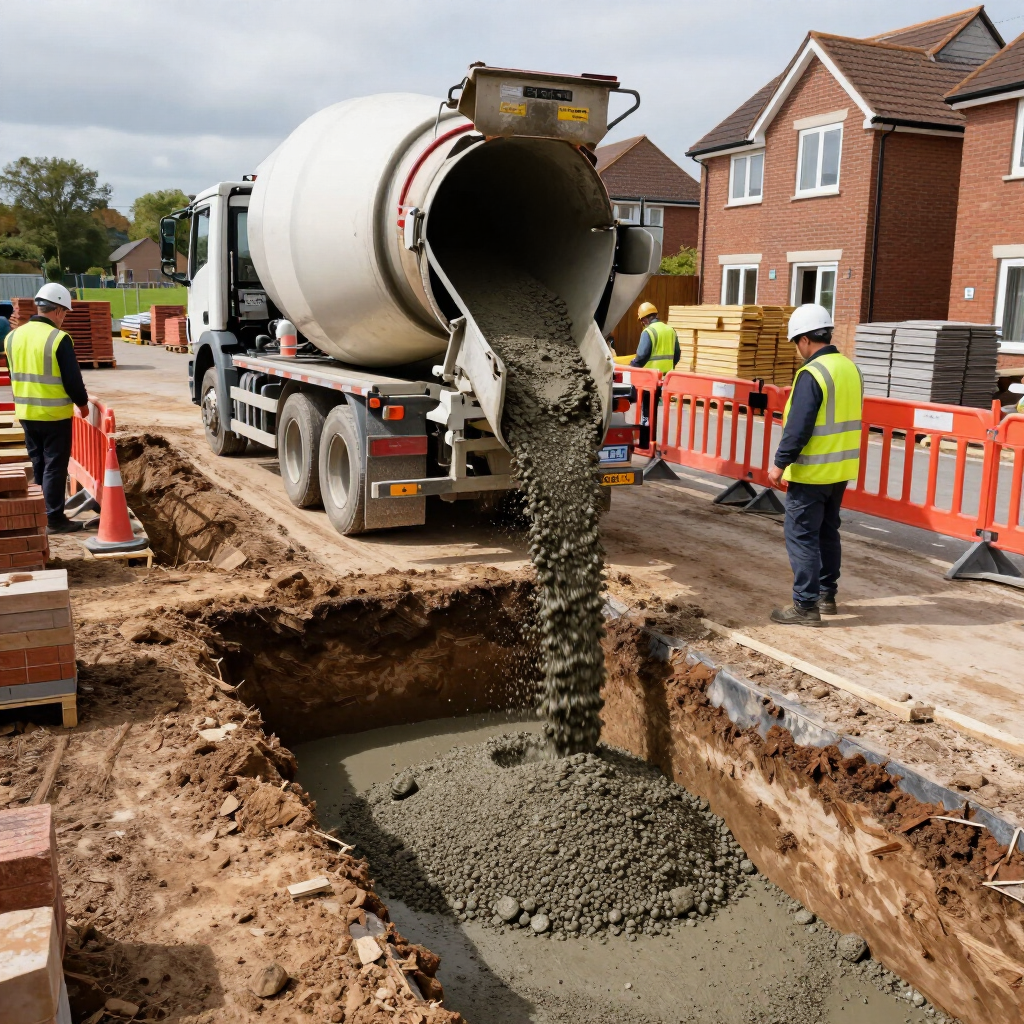
Chute delivery is simple and efficient when the truck can park right next to the formwork, and it is usually the quickest way to place concrete with minimal kit and minimal mess. It needs firm standing and safe proximity to the pour, since typical minimix chutes reach only a few metres from the tailgate, so it is worth planning set-down points close to the slab or trench in advance.
Chute delivery scales well from tiny to full small loads because the truck feeds continuously, and with less handling involved, there is less risk of the concrete setting before finishing.
Labour stays light too, with one or two people able to rake, tamp, and finish as the driver feeds the mix. This makes it the natural choice for driveways, paths, slabs, and footings where a truck can reverse right up to the shuttering and unload directly.
Wheelbarrow Placement: Flexible, But Labour Heavy
Barrowing bridges short distances or awkward corners when the truck cannot get right to the pour but can still park reasonably near. It works over short to moderate distances with solid, level routes, though steps, mud, and long hauls slow everything down considerably.
It suits smaller pours well, with one cubic metre working out to roughly 10 to 12 heaped barrows, and larger volumes multiplying that effort quickly.
Speed is moderate to slow depending on team size and route, and labour demands are high, with fatigue, extra breaks, and the need for additional hands all part of the equation.
Finish risk climbs if progress becomes stop-start, since rehandling can reduce workability and delays can cause cold edges. Barrows suit shed bases, small slabs, and patching jobs where a pump is not justified and the route is short, smooth, and protected.
Pumped Concrete: Reach, Speed, And Cleaner Results
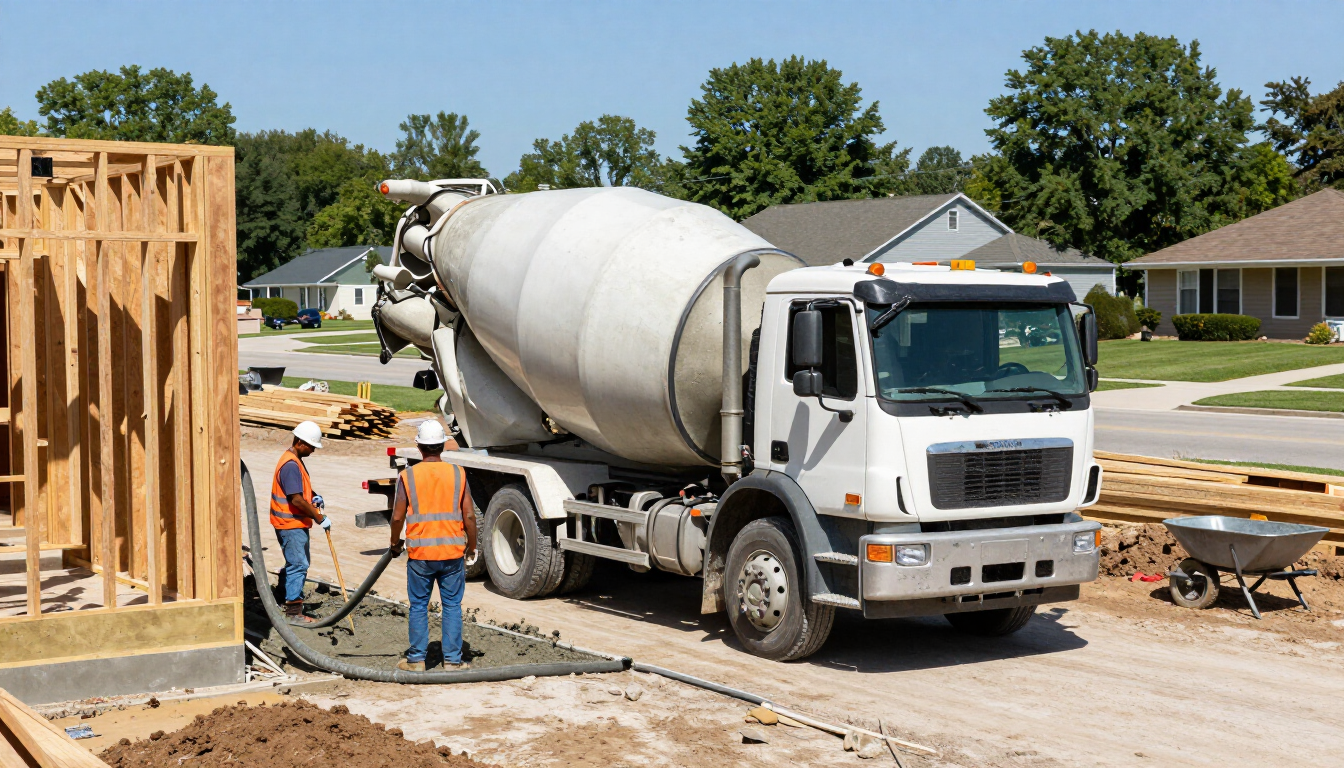
Pumps move concrete rapidly over distance, height, or through tight gaps, cutting manual handling and helping keep the pour continuous for a better finish. They excel for rear gardens, over walls, into basements, or upper floors, since pipes or a boom can reach where vehicles simply cannot. Pumping becomes efficient from about 3 cubic metres upward, or for any pour where poor access would otherwise stall progress, and the continuous delivery supports consistent compaction and finishing at speed.
Labour requirements drop on the transport side and focus mainly on placing and finishing, and the steady flow reduces cold joints while helping achieve a neat surface overall.
So when is a pump genuinely worth it? If the truck cannot get close, barrowing distance exceeds 15 to 20 metres, there are multiple steps involved, or you have more than 3 cubic metres to place with a small crew, pumping often saves time and protects quality at the same time.
Which Pump Type Is Best?
A line pump is a ground-level pump with steel or flexible hoses, best suited to back gardens, long runs through houses, or narrow side passages. Most domestic work uses a line pump since set-up is simple and cost is lower than the alternative.
A boom pump is truck-mounted and places concrete over buildings, walls, or into upper levels, and is the right choice when you need height or cannot run hoses through the property itself. If in doubt, describe your route, distances, and any level changes, and Heeley Minimix will recommend the right option and book a trusted local partner.
Typical UK Pump Hire Costs Per Hour
Rates vary by region, duration, and set-up complexity, but as a guide, a line pump often runs £90 to £120 per hour, with minimum hire windows and a set-up or clean-down charge, and some providers price per metre of additional hose beyond a standard length. A boom pump commonly runs £120 to £180 per hour, with higher minimums attached.
Expect minimum charges for call-out and a sensible allowance for washout on top of the hourly rate, so it is worth asking for a combined concrete and pump plan when you request your concrete quote.
How Heeley Coordinates With Pump Partners
We handle the logistics so your pour runs smoothly. Share your postcode, volume, access notes, and preferred time, and we will confirm the right mix and slump for your placement method, book a pump partner and sync arrival times with our truck, and check the hose route, washout arrangements, and finishing plan with you before the day itself.
For tailored mixes and small-load flexibility, explore our ready mix concrete options or speak to our team about commercial concrete needs.
Access Checklist To Keep Delivery Clean And Quick
A little measuring before booking saves considerable time on the day. Check the widths and turning space by measuring gates, side passages, and the approach road, and note any parked cars, bollards, or tight bends along the route.
Look overhead for low cables and branches near the approach and set-down area, and assess gradients and ground conditions, since steep slopes, soft verges, gravel, or wet clay may prevent safe standing without mats or an alternative set-down point.
For pumped jobs, confirm a clear hose path, protect thresholds and floors, and plan a safe crossing over any steps. Finally, designate a washout area, a lined container or ground-protected zone away from drains, with easy access for the driver and pump crew.
How The Three Options Compare
Chute needs the closest access but scales best for volume and offers the fastest, lowest labour route on good ground. Barrow manages short gaps and suits small jobs but demands the most labour and carries the highest finish risk if delays creep in.
Pump solves distance and height, wins for volumes of 3 cubic metres or more, and keeps finish risk low thanks to continuous flow, though it comes with a higher direct cost than the other two options.
Quick Planning Tips
Confirm your volume by multiplying length, width, and thickness in metres, then add 5 to 10 percent for waste depending on shape complexity.
Agree a slump suitable for your chosen method, since pumped mixes usually need a slightly higher slump for smooth flow, and book enough finishers for the slab size and weather, since warm, windy days reduce your working time considerably.
Protecting surfaces and setting up a washout station in advance also means the site runs faster and costs less overall.
Get The Right Method For Your Pour
Choose a chute if the truck can reach it, barrows for small volumes over short, safe routes, and a pump when distance, obstacles, or volume would otherwise slow you down.
Plan your widths, overheads, gradients, hose paths, and washout area in advance to keep the job clean and efficient.
Need help locking in mix, volume, and method? Call Heeley Minimix for friendly advice and scheduling, or start with a quick price guide on our ready mix concrete prices page.